
A serious accident can happen quickly, but the legal clock that determines whether you can pursue justice starts ticking from that very moment. In Connecticut, personal injury victims have a limited window to file a lawsuit, and missing this deadline can permanently close the door on any chance of recovering compensation. If someone else’s negligence left you with medical bills, lost wages, and pain, understanding this time limit is critical to protecting your rights.
At Mandelbaum Barrett PC, our personal injury attorneys have decades of experience helping clients in Connecticut and New Jersey navigate the legal process after serious accidents. We understand how overwhelming the aftermath of an injury can feel, and we are committed to making sure your claim is filed correctly and on time so you can focus on healing.
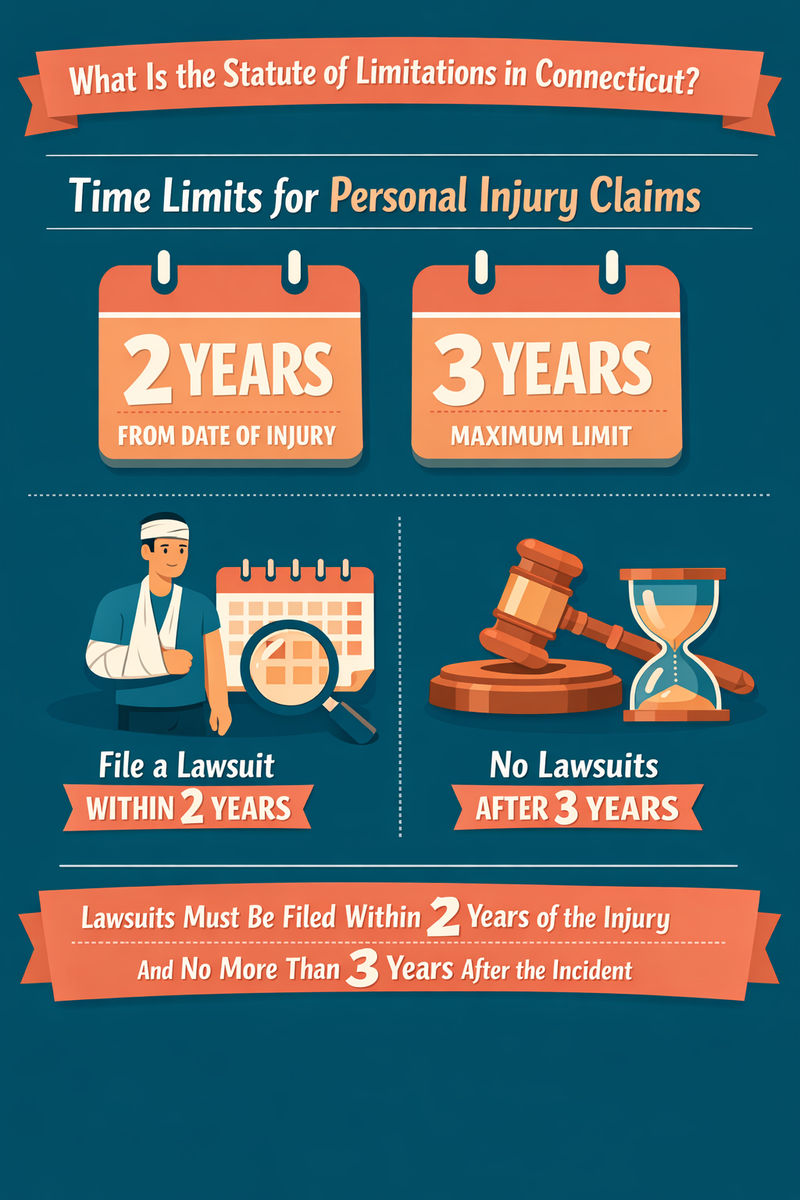
What Is the Statute of Limitations in Connecticut?
Connecticut law sets a two-year deadline for most personal injury claims. Under Connecticut General Statutes § 52-584, an injured person must file a lawsuit within two years from the date the injury was first sustained, discovered, or reasonably should have been discovered. Beyond this two-year window, there is also a three-year statute of repose, meaning no lawsuit can be filed more than three years after the act or omission that caused the injury, even if the victim did not know about it right away.
This combination of deadlines is important to understand. The two-year clock typically begins running on the date of the accident, but the discovery rule can extend this period in cases where the harm was not immediately apparent. The absolute three-year limit from the date of the negligent act exists regardless of when you discovered the injury, so acting quickly is always in your best interest.
Why Hiring a Lawyer Is Critical to Meeting the Deadline
Many injury victims assume they have plenty of time to file, but the two-year window moves faster than most people expect. Medical treatment, recovery, and the stress of daily life can make it easy to lose track of time. An experienced personal injury attorney monitors these deadlines on your behalf and ensures your claim is prepared and filed well before the cutoff, so a procedural error never stands between you and the compensation you deserve.
Beyond tracking the clock, a lawyer plays a critical role in building the strongest possible case within that window. Evidence fades quickly after an accident. Surveillance footage gets overwritten, witnesses’ memories become less reliable, and physical evidence disappears. When you hire an attorney early, they can begin gathering police reports, medical records, and expert testimony right away. This protects your ability to file on time and strengthens the value of your claim.
Understanding Complex Deadline Situations
Not every case involves a straightforward two-year deadline. Car accident claims, truck accident cases involving multiple liable parties, and injuries like traumatic brain injuries with delayed symptoms can each raise questions about exactly when the clock started running. A knowledgeable attorney can analyze the specific facts of your situation and determine the correct filing deadline, reducing the risk of losing your right to recover damages entirely.
Catastrophic injury cases present additional challenges, as the full extent of long-term damages may not be known right away. An attorney helps ensure your claim accounts for future medical costs, lost earning capacity, and ongoing pain and suffering before any settlement is reached or the deadline passes.
Exceptions to the Two-Year Rule
There are limited circumstances that can toll, or pause, the statute of limitations in Connecticut. The most common exceptions include the following:
- Injured minors: The clock generally does not begin running until the injured person reaches the age of 18, giving them additional time to file once they become adults.
- Government entity claims: Cases involving a state or municipal entity follow stricter rules, often requiring a formal notice of claim within 90 days before any lawsuit can proceed.
- Fraudulent concealment: If the at-fault party actively concealed information that prevented you from discovering your injury or identifying who caused it, a court may extend the filing deadline.
These exceptions are narrow, and relying on them without proper legal guidance is a significant risk. If you believe an exception may apply to your situation, speaking with an attorney right away is the safest course of action.
Contact Mandelbaum Barrett PC to Take Advantage of Your Opportunity to Seek Justice
When your health and financial future are on the line, acting quickly makes all the difference. With decades of experience handling personal injury claims, our experienced attorneys at Mandelbaum Barrett PC include Certified Civil Trial Attorney Andrew Bronsnick and Co-Chair Joseph J. Peters. We serve clients in Connecticut and throughout the region, providing compassionate guidance and tenacious advocacy to those injured by someone else’s negligence.
Do not wait until the deadline is near to explore your options. Contact us today to schedule a free consultation with a member of our team.