
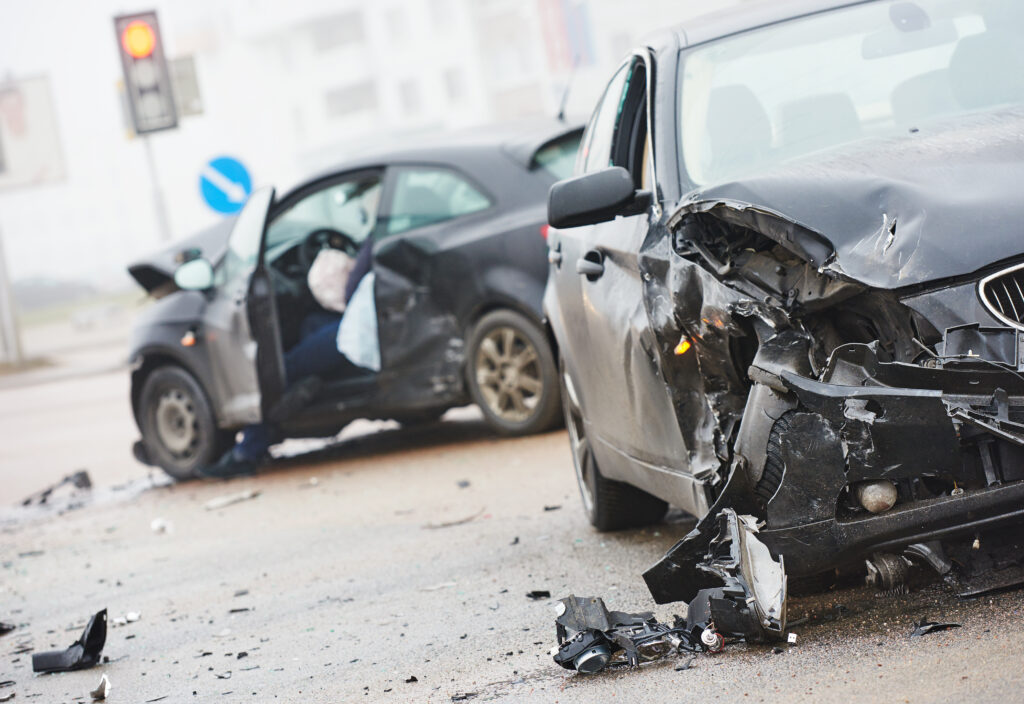
A single fender bender is confusing enough. When three or four cars pile into each other on the same stretch of road, figuring out who owes what can feel impossible. Every driver blames someone else, and the insurance companies rarely agree on a single story.
Mandelbaum Barrett PC represents people hurt in multi-vehicle car accidents across New Jersey. Our personal injury attorneys understand how the state’s comparative negligence law applies when fault is split among several drivers, and we help clients pursue full and fair compensation even when they share some blame for the crash.
Comparative Negligence Basics in New Jersey
New Jersey follows a modified comparative negligence rule under N.J.S.A. 2A:15-5.1, which governs how fault gets divided in personal injury cases. Under this law, an injured person can still recover damages as long as their own share of fault is not greater than the combined fault of everyone else involved. If a jury finds you 30 percent responsible for a crash, your total award gets reduced by that same percentage.
This system replaced the old rule that barred any recovery if a victim held even a small amount of blame. Lawmakers recognized that few accidents have a single cause, and multi-vehicle wrecks make that reality especially clear. When three or more cars are involved, fault often gets spread across multiple drivers instead of resting entirely on one person.
How Fault Gets Divided Among Multiple Drivers
In a two-car crash, assigning fault is often straightforward. Multi-vehicle pileups are different. A jury must review the actions of every driver and assign a percentage of fault to each one, and the percentages across all parties must add up to 100 percent.
Consider a chain-reaction crash on a highway. The first driver slams on the brakes to avoid a stalled vehicle. The second driver follows too closely and cannot stop in time. A third driver, distracted by a phone, rear-ends the second car with enough force to push it into the first. Each driver’s conduct contributed to the outcome, but not equally. In cases with severe outcomes, our catastrophic injury attorneys also help clients pursue compensation for long-term losses.
New Jersey’s joint tortfeasor rules add another layer. A driver found 60 percent or more at fault can be held responsible for the full damage award, while a driver found less than 60 percent at fault typically only owes their own percentage share. This distinction matters enormously in a crash with several negligent parties, because it determines who an injured person can realistically collect from.
Evidence That Shapes Fault Allocation
Because so much depends on percentages, the evidence gathered after a multi-vehicle accident carries real weight. Insurance companies representing different drivers often try to shift blame onto each other, and onto the injured victim, to reduce their own payout. Without a clear picture of how the crash unfolded, a victim can end up assigned more fault than they actually deserve.
Common types of evidence used to establish fault include:
- Police accident reports, which document officer observations and initial statements at the scene
- Traffic and dashcam footage, which can show the order of impacts and driver behavior beforehand
- Vehicle damage analysis, which helps reconstruct the direction and force of each collision
- Witness statements from bystanders or other drivers not involved in the crash
Gathering this evidence quickly matters, as traffic camera footage and skid marks can disappear within days. When a crash results in a death, our wrongful death attorneys can also help families gather this evidence to pursue a claim.
Why Fault Percentages Affect Your Recovery
The stakes of a fault determination in a multi-vehicle crash are significant. According to the National Highway Traffic Safety Administration, there were an estimated 6,138,359 police-reported traffic crashes in 2023, and pinpointing which driver caused which part of the harm becomes far more complex once a third or fourth vehicle enters the picture.
If you are found 20 percent at fault for a collision and your damages total $200,000, you would recover $160,000 rather than the full amount. If your fault climbs to 51 percent or higher, New Jersey law bars recovery entirely. This is why insurance adjusters push so hard to inflate an injured driver’s share of blame, particularly in accidents involving several vehicles where the narrative is easier to muddy. This same fault-sharing framework applies to crashes involving spinal cord injuries, which often carry some of the highest damage awards.
An attorney who understands how these multi-party cases unfold can push back against unfair fault allocations and make sure each responsible party, not just the injured victim, is held accountable for their share.
Mandelbaum Barrett PC Is Ready to Help
Multi-vehicle accidents leave victims facing medical bills, lost income, and a confusing web of insurance claims from several directions at once. With decades of experience handling personal injury claims, our experienced attorneys include Certified Civil Trial Attorney Andrew Bronsnick and Co-Chair Joseph J. Peters.
We take the time to investigate every angle of a multi-vehicle crash, identify each driver’s share of fault, and fight to secure the compensation our clients deserve under New Jersey’s comparative negligence law. If you were hurt in a multi-vehicle accident, reach out through our contact form to discuss your case with our team.
This content is for informational purposes only and does not constitute legal advice.